Find the instructions for the panels you have
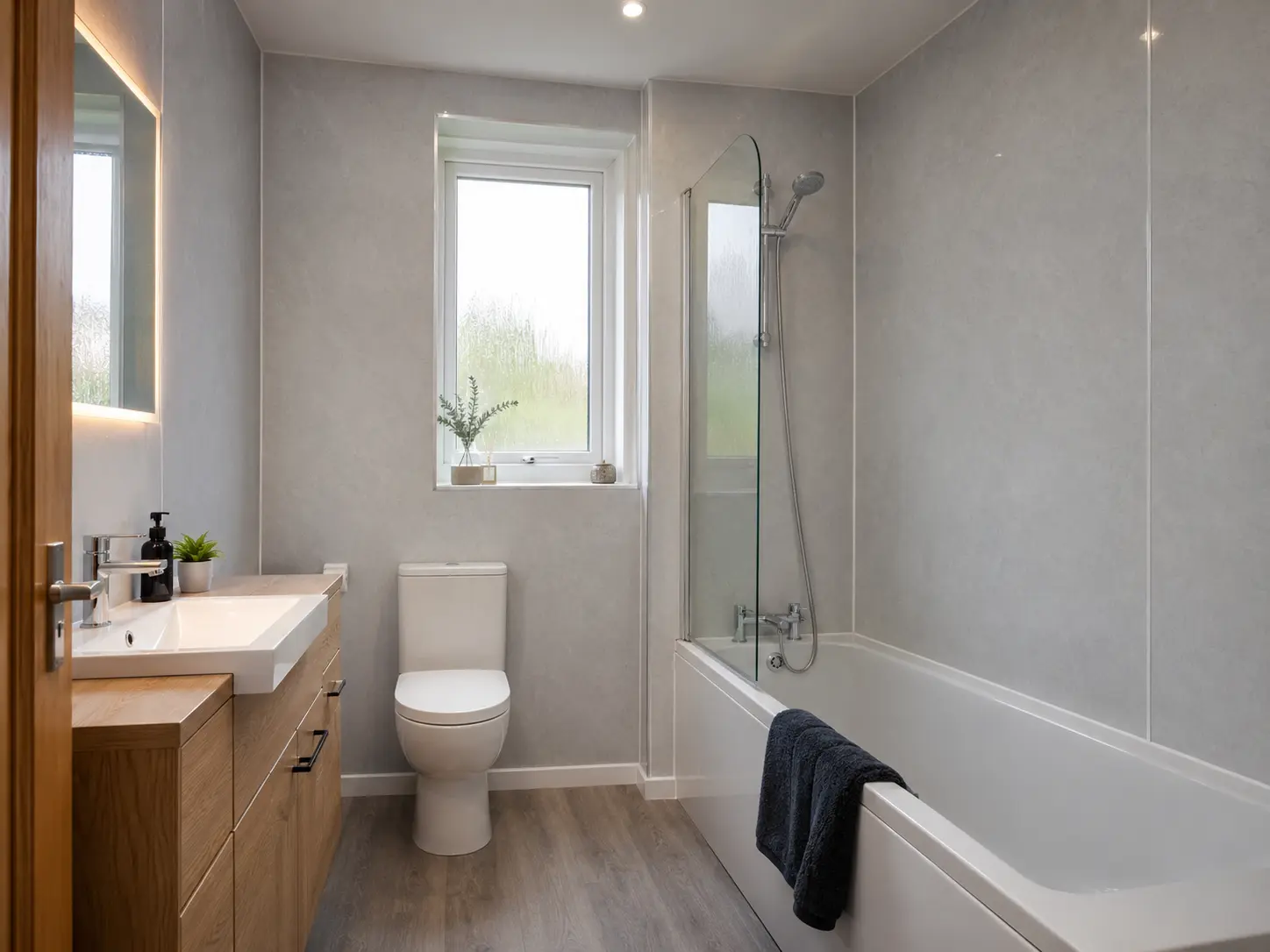
Bathroom wall panels are made in different materials and finishes, so they do not all have the same care requirements. Keep the brand, range and fitting information from the installer. If you have moved into a home with existing panels, try to identify the product before choosing a specialist cleaner. A general description such as wet wall is not enough to confirm which chemicals or tools are suitable.
Ask for the maintenance information at handover, including guidance for joints, trims and seals. Keep it with the shower and tap instructions rather than relying on a cleaner that happened to work in the previous bathroom. The same spray may be acceptable on one surface and unsuitable on another. Following the actual product guidance helps you avoid damage caused by trying to make cleaning more thorough.
Start with the recommended cleaning method
Use the tools and cleaning products recommended for the selected panels. Some manufacturers specify a soft cloth and mild non-abrasive cleaning, but check the instructions for your own range. Avoid assuming that a stiff brush, abrasive pad or strong chemical is better because a mark is stubborn. A damaged surface can be harder to look after than the original deposit you were trying to remove.
Pay attention to nearby fittings as you clean. Spray can reach decorative taps, screens, seals and furniture, each with its own care instructions. Follow the cleaning product's safety directions and never mix chemicals. If you are unsure about a stain, ask the panel supplier for advice before experimenting. It is better to identify a suitable method than to discover that a treatment has dulled or discoloured the finish.
Keep everyday residue from building up
Soap and shampoo can leave deposits around the shower area, especially near shelves and the lower parts of the walls. A regular routine using the approved method is easier to manage than leaving the surface until a heavy layer forms. Check behind bottles and around baskets too, because these can hide areas that are missed during a quick wipe of the visible wall.
Use any recommended rinsing or drying method in the product instructions. Keep cloths and cleaning tools suitable for the finish rather than reusing something covered in grit from another job. The aim is to remove normal residue without wearing the surface. A wall panel may avoid many grout lines, but its clean appearance still depends on ordinary care rather than the material being maintenance-free.
Notice changes around joints and seals
Look at the junctions around the tray or bath, corners, trims and openings. Report gaps, movement or signs of water escaping rather than treating them only as a cosmetic mark. The correct repair depends on the panel system and the location. Adding a different sealant over a failing joint without checking the cause may not provide the repair the installation needs.
If water appears outside the shower or a nearby surface becomes damp, explain when it happens and take photographs. The panel face may not be the source of the leak; a fitting, connection or adjoining seal could be involved. Ask a competent installer to investigate before covering the area or attempting a repair that could hide evidence of the problem. Follow the system's requirements for replacement parts and materials.
Protect the panels when adding accessories
A new shelf, rail or basket needs a fixing method suited to the panel and the wall behind it. Ask before drilling or attaching a product, particularly in the shower area. Any holes through the panels need to be sealed as the manufacturer instructs, and the wall must support the accessory. A panel should not be assumed to carry a heavy accessory simply because it looks like a solid wall.
Removable accessories also need care. Suction or adhesive products may have limitations, and some finishes can be affected by the method used to attach or remove them. Check both sets of instructions. If you need a seat or support rail, discuss suitable structural support and fitting with a competent person. Those items should be planned around the user and the installation, not treated as ordinary decorative accessories.
Ask about repair before replacing a damaged section
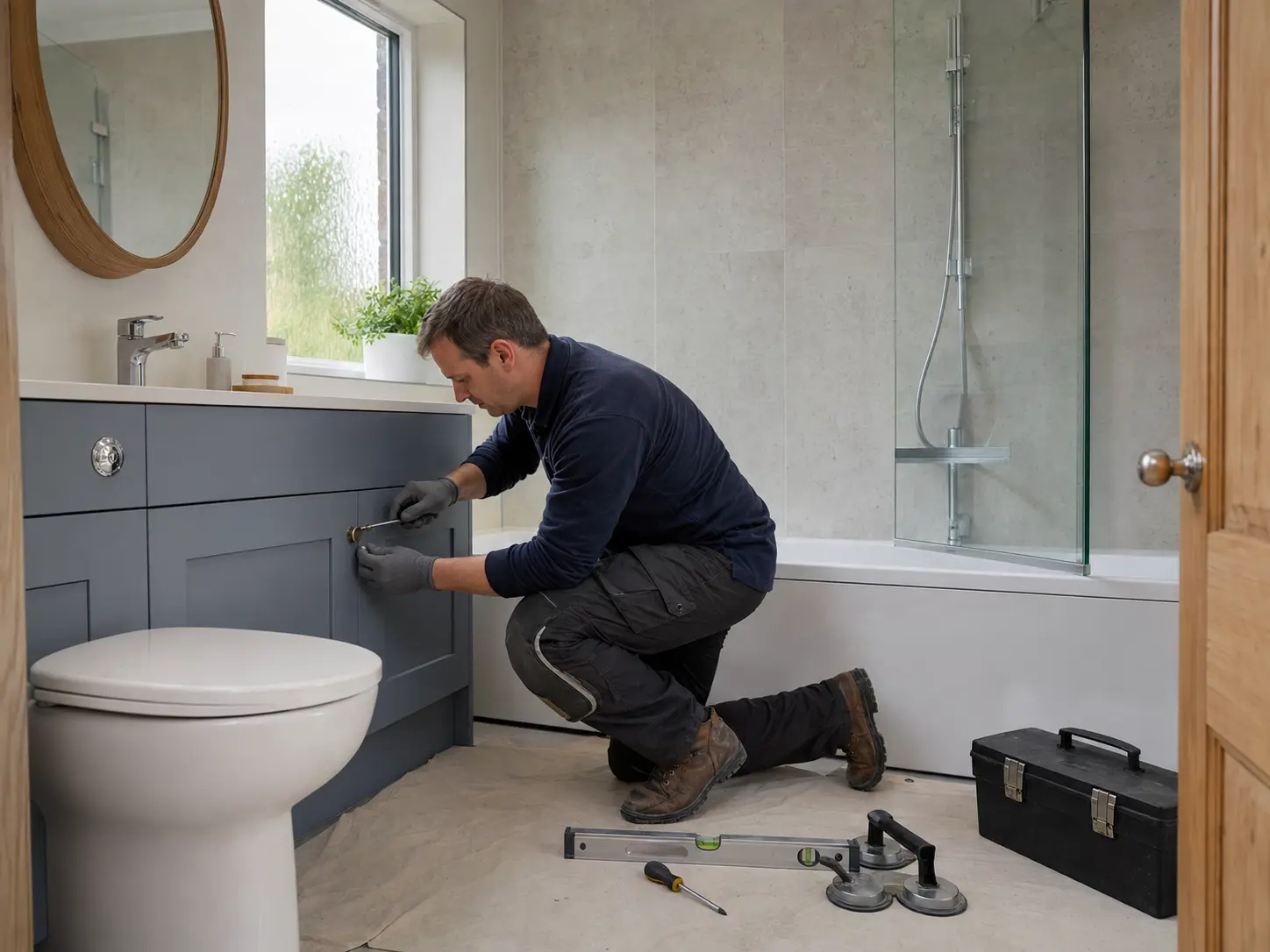
Scratches, impact damage and joint problems may need different approaches. Keep photographs and the product details when contacting the supplier or installer. Ask whether the affected panel can be repaired, whether replacement material is available and what surrounding work would be disturbed. Do not assume every panel can be removed independently or that a new sheet from another range will match the existing finish.
During a new bathroom installation, it is useful to ask these questions before choosing the panel system. The quote should cover preparation, joints and finishing as well as the visible sheets. Keep access to fittings hidden behind walls available for repairs, and follow the care information after handover. Well-planned installation and sensible maintenance work together; fewer grout lines do not remove the need to look after the whole shower area.
For the fitting service, see bathroom wall panel fitting in kirkcaldy. You can also read choosing surfaces for easier cleaning and condensation and mould in bathrooms.