
Look for Recurring Damp or Mould
Water on a mirror after a hot shower can be condensation, formed when moisture in the air meets a colder surface. Repeated wet patches, peeling finishes or mould that returns deserve closer attention. Note where the problem occurs and whether it follows showering, a leaking fitting or a different pattern. The visible mark does not always reveal the cause by itself.
Do not assume the room simply needs more cleaning. Persistent damp can involve ventilation, building condition, heating or leaks, and more than one factor may be present. Take photographs and record changes before asking for advice. This gives the person checking the room useful information and helps you see whether a proposed repair has actually improved the situation afterwards.
Have leaks and damaged surfaces checked
Look for obvious signs such as dripping connections, water outside the shower or a seal that has come away, without dismantling fittings or disturbing suspect materials. Explain these observations to the appropriate tradesperson. A damp patch behind a basin may need a different repair from condensation across a window. Choosing a new wall covering before the cause is known can leave the same problem hidden underneath.
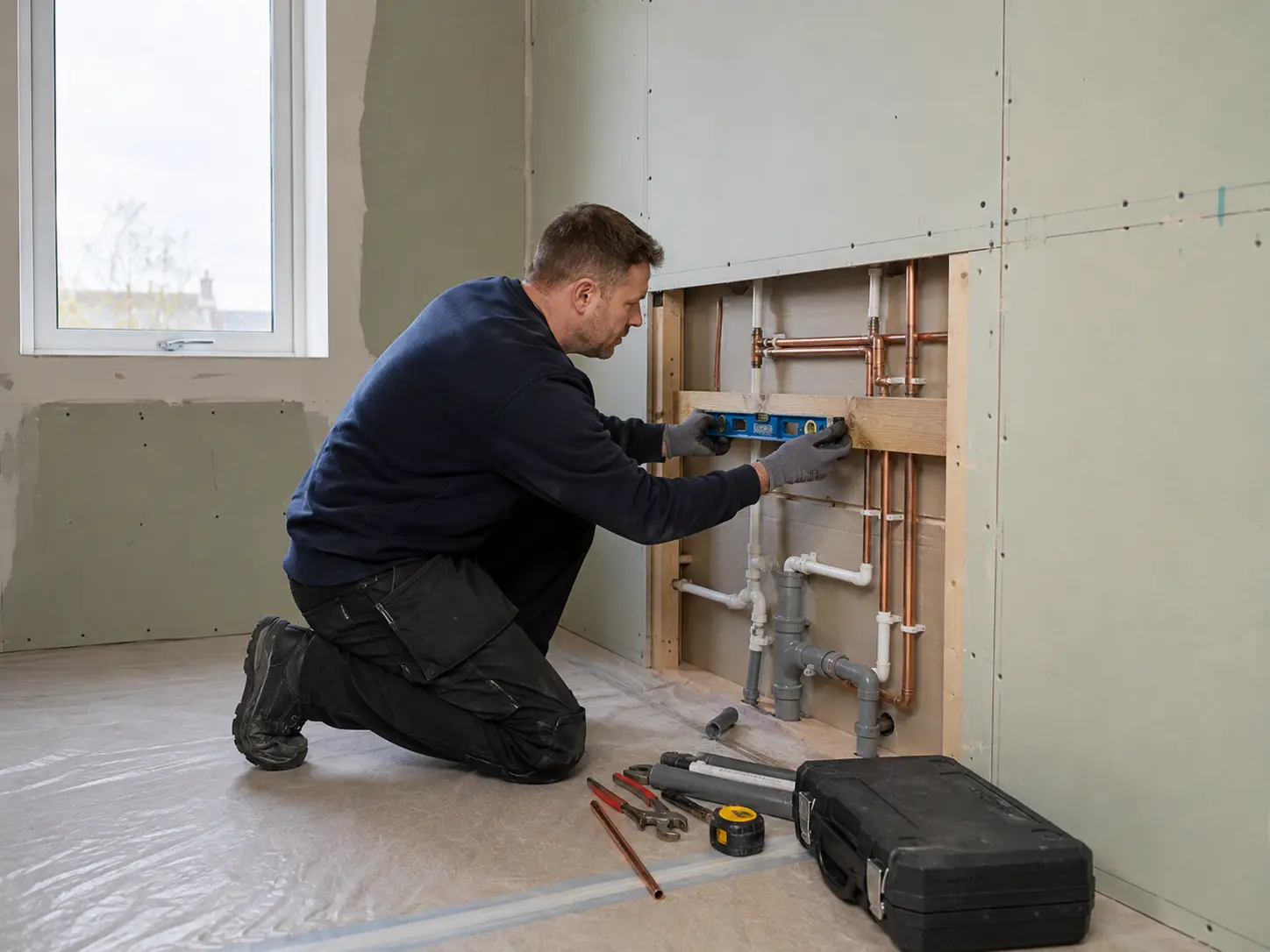
If old fittings are being removed during a refit, ask how exposed walls and floors will be checked. Damaged surfaces may need repair before new tiles or panels are installed. Agree how any additional work will be shown, priced and approved. A fresh bathroom finish should follow a suitable repair and preparation, not be used as a way to avoid dealing with damp that was already present.
Take recurring mould seriously
Damp and mould can affect health and should not be ignored. If you think a problem in the home is affecting someone's health, seek medical advice as well as arranging help with the building issue. Tell the healthcare professional where the damp or mould appears and how long it has been there. Replacing the bathroom fittings will not deal with a leak or ventilation fault that is still causing damp.
For extensive, recurring or uncertain mould problems, get suitable professional advice on the cause and safe treatment. Do not rely on a homemade mixture or a stronger cleaning chemical to solve everything. Follow product safety instructions, never mix cleaning chemicals and avoid disturbing affected materials without appropriate advice. The cleaning approach needs to suit the actual problem and the people living in the home.
Review how damp air leaves the room
Explain the problem to someone who can check the ventilation arrangement, including the fan, controls and air route. A fan that makes a noise is not proof that the whole system is performing as needed. Different homes may have intermittent bathroom extractors or systems designed to run continuously. Use the equipment according to its instructions and ask about anything you do not understand.
Keep intended ventilation openings clear. If new windows, insulation or other changes are planned, discuss their effect on ventilation with the installer. Bathroom electrical work should be handled by a qualified electrician. The solution should be based on the room and system, rather than a general instruction to fit the same fan everywhere or leave a window in one position regardless of the home's arrangements.
Avoid hiding the problem during decoration
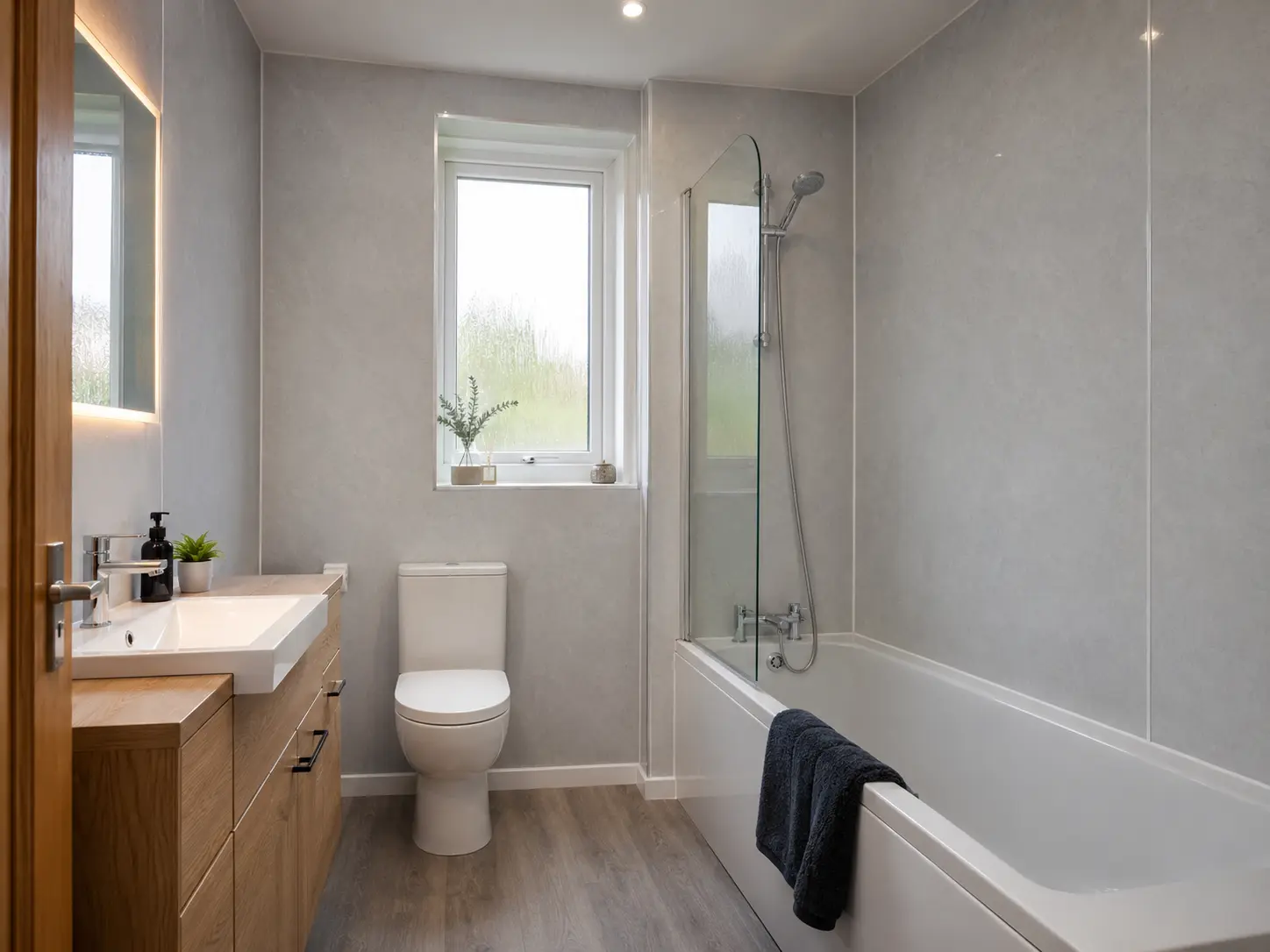
New paint, tiles or wall panels can improve the appearance after the necessary work, but they do not repair a leaking pipe or resolve inadequate ventilation on their own. Ask what preparation is required for the selected finish and when the surface is ready to receive it. If the underlying material remains damaged or damp, the new finish may also be affected.
Keep cleaning and maintenance instructions for the products that are fitted. Joints, seals and surfaces still need appropriate care even when a material is marketed as easy to clean. A panelled shower is not a promise of zero maintenance, and grout-free does not mean moisture can be ignored. Ask how the relevant parts can be reached and checked after the room is completed.
Keep a record and follow up if it returns
Save photographs, repair descriptions and dates so you can explain what has already been tried. After the work, observe the room during ordinary use and report recurring marks, leaks or unusual fan behaviour. Ask for the unresolved cause to be investigated rather than assuming another surface clean is enough. A useful follow-up focuses on what is still happening and where.
If you rent, report damp, mould and faulty equipment to your landlord or managing agent and keep the written record. If you own the home, arrange advice from an appropriate building or ventilation professional. When a bathroom refit is part of the wider work, make the necessary repairs and ventilation explicit in the quote. The aim is a room with the moisture problem addressed, not merely a new surface over the same concern.
For the fitting service, see bathroom renovations in kirkcaldy. You can also read improving bathroom ventilation and looking after bathroom wall panels.